Get Organized With an Estate Planning Checklist
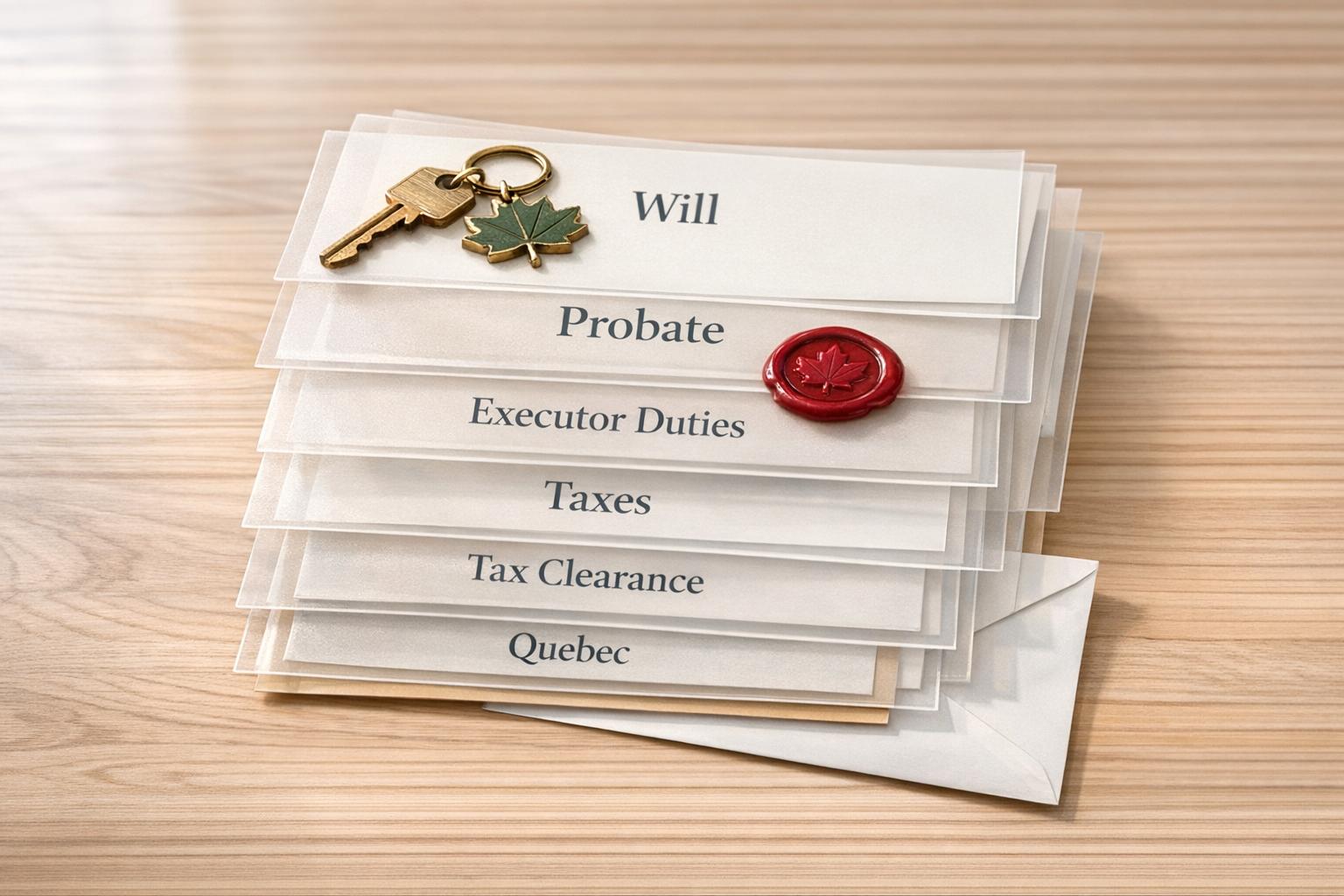
An estate planning checklist can make a complicated process feel much more manageable. Instead of trying to remember every document, decision, and update on your own, you can work through a clear list of priorities at your own pace. For many people, that starts with creating or updating a will, naming beneficiaries, and choosing someone to act under a power of attorney.
Why a Simple Checklist Helps
A well-structured estate planning checklist helps you keep track of what’s finished and what still needs attention. It can also prompt important conversations about trusts, funeral wishes, and insurance coverage before those details become urgent. Even if your situation is straightforward, having a visual checklist can reduce stress and make the process easier to follow.
Cover the Essentials
This estate organization tool is built for everyday use. It highlights the key tasks most adults should review, including documenting assets and confirming beneficiary designations. Whether you’re starting from scratch or revisiting plans you made years ago, a practical estate preparation list can help you stay focused, monitor progress, and move forward with more confidence.
FAQs
What does this estate planning checklist include?
This tool covers the core steps many people need to think through when organizing an estate. That includes drafting a will, naming beneficiaries, setting up a power of attorney, considering a living trust, creating an asset inventory, planning funeral arrangements, and reviewing insurance policies. It’s designed to be broad enough for a general audience while still focusing on the tasks that matter most.
Is this checklist a substitute for legal or financial advice?
No, it isn’t a substitute for professional advice. This checklist is meant to help you stay organized and understand the main pieces of estate planning, but everyone’s situation is different. If you have a blended family, own a business, have significant assets, or want tax planning guidance, it’s wise to speak with a lawyer or financial professional in your province or territory.
Who should use an estate planning checklist?
Almost any adult can benefit from using one. Estate planning isn’t only for retirees or people with large estates. If you have dependants, savings, property, insurance, or specific wishes about health care and end-of-life decisions, a checklist can help you get those details in order and keep important tasks from slipping through the cracks.